Wisdom teeth are the last set of teeth to develop, usually appearing during the late teenage years or early adulthood. While some people have enough space for their wisdom teeth to grow normally, others may experience pain, swelling, infection, gum problems, or difficulty cleaning the area.
When a wisdom tooth does not have enough room to erupt properly, it may become impacted or grow at an unusual angle. In such cases, a dentist may recommend wisdom tooth removal to prevent further complications.
If you are experiencing pain or swelling at the back of your mouth, visiting a trusted dental hospital in Nagercoil can help determine whether your wisdom tooth needs treatment or extraction.
What Is a Wisdom Tooth?
A wisdom tooth is the third molar located at the back of the mouth. Most people have up to four wisdom teeth—two in the upper jaw and two in the lower jaw.
However, not everyone develops all four. Some people may have fewer wisdom teeth, while others may not develop them at all.
A wisdom tooth does not necessarily need to be removed simply because it exists. If it has erupted correctly, is healthy, can be cleaned properly, and does not cause problems, a dentist may recommend monitoring it instead.
Extraction is generally considered when the tooth is causing or is likely to cause oral health problems.
When Is Wisdom Tooth Removal Necessary?
A dentist may recommend extraction when there is a clear clinical reason to remove the tooth.
Common reasons include:
1. Impacted Wisdom Tooth
An impacted wisdom tooth is unable to erupt normally because it is blocked by another tooth, bone, or surrounding tissue.
It may grow:
- At an angle toward the neighbouring tooth
- Horizontally
- Partially through the gum
- Completely underneath the gum or bone
Impacted wisdom teeth are among the common reasons for oral surgery.
2. Repeated Pain or Swelling
A wisdom tooth that repeatedly causes pain, swelling, or discomfort may require professional evaluation.
Recurring symptoms should not simply be managed with painkillers without identifying the underlying cause.
3. Infection Around the Wisdom Tooth
A partially erupted wisdom tooth can create a small area where food particles and bacteria become trapped.
This may lead to inflammation or infection around the gum surrounding the tooth, a condition commonly known as pericoronitis.
4. Difficulty Cleaning the Tooth
Wisdom teeth are located far back in the mouth and can sometimes be difficult to brush and floss properly.
Poor cleaning can increase the risk of tooth decay and gum disease.
5. Damage to the Nearby Tooth
An incorrectly positioned wisdom tooth may put pressure on the neighbouring molar or make it difficult to keep that area clean.
In some cases, this can contribute to decay or damage to the adjacent tooth.
6. Cysts or Other Dental Problems
In less common situations, an impacted wisdom tooth may be associated with a cyst or other changes around the tooth.
Dental imaging can help identify problems that may not be visible during a routine examination.
What Are the Signs You May Need Wisdom Tooth Extraction?
Not every wisdom tooth causes symptoms. However, certain warning signs should prompt a dental examination.
You may need to have your wisdom tooth evaluated if you experience:
- Pain at the back of the mouth
- Swollen gums near the wisdom tooth
- Difficulty opening your mouth
- Pain while chewing
- Food getting repeatedly trapped around the tooth
- Bad breath or unpleasant taste
- Bleeding or inflamed gums
- Repeated infection
- Pain spreading toward the jaw or ear
- Damage or decay around the neighbouring tooth
If these symptoms keep returning, a professional examination is more useful than simply treating the pain temporarily.
How Is a Wisdom Tooth Diagnosed?
Before recommending extraction, your dentist will usually examine the tooth and surrounding gums.
Dental X-rays may also be recommended to understand:
- The position of the wisdom tooth
- Its relationship to neighbouring teeth
- The shape and number of roots
- Whether the tooth is impacted
- The surrounding bone
- The proximity of important anatomical structures
This assessment helps the dentist decide whether extraction is appropriate and how the procedure should be performed.
For patients seeking Oral Surgery Services Nagercoil, proper diagnosis and treatment planning are important parts of safe wisdom tooth care.
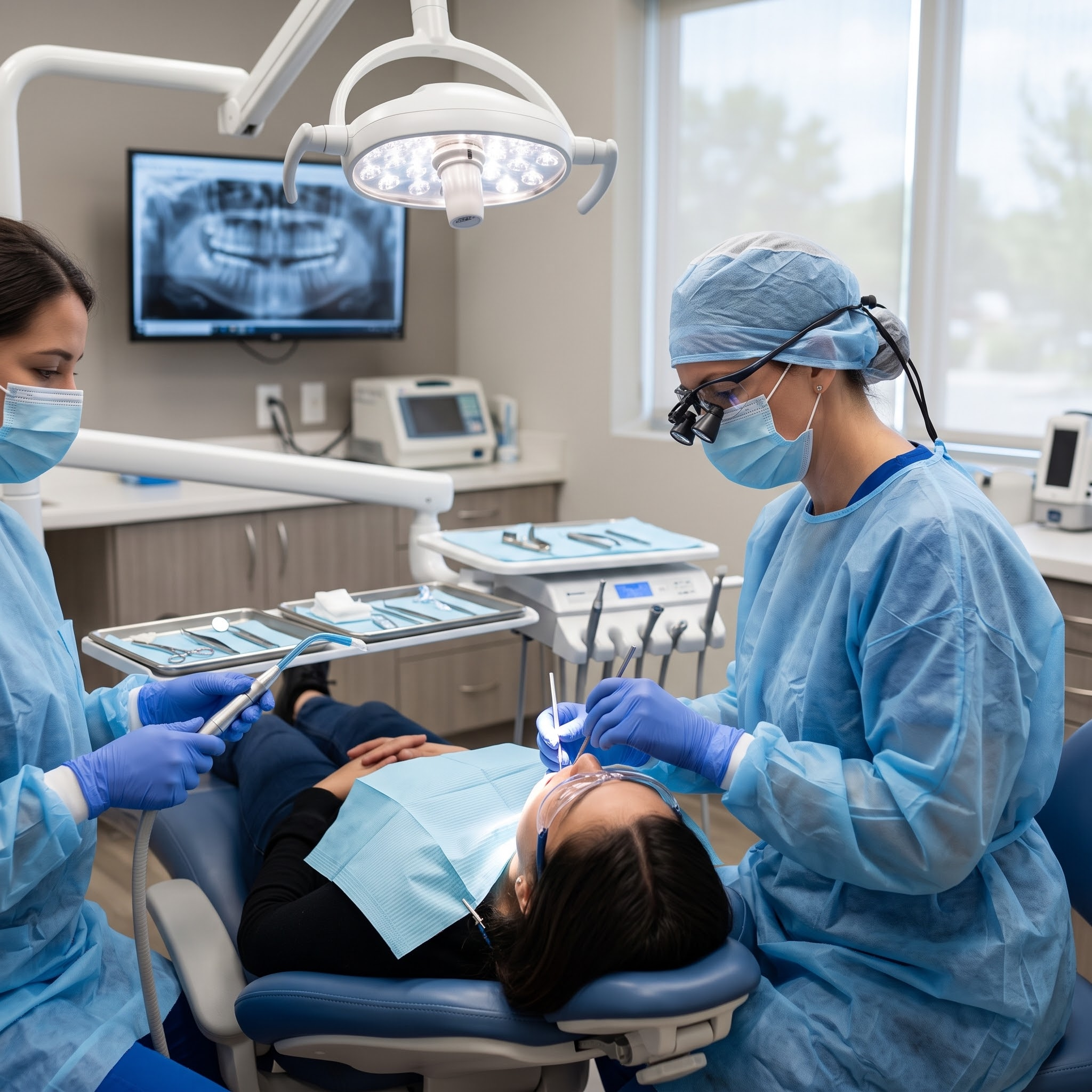
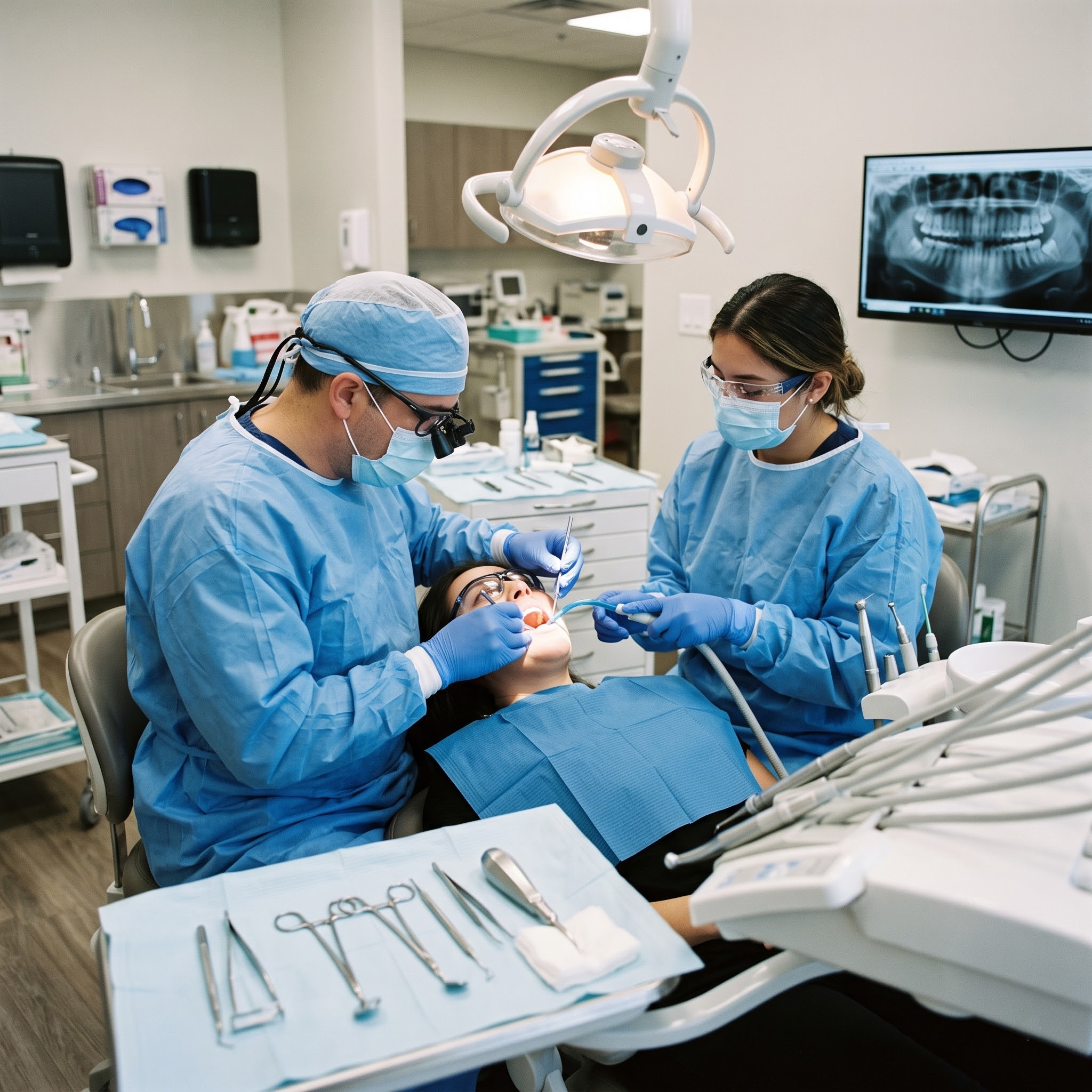
What Happens During Wisdom Tooth Removal?
The exact procedure depends on the position and condition of the tooth.
Step 1: Examination and Treatment Planning
The dentist examines your mouth and reviews the necessary dental imaging.
You will also be informed about the procedure, expected recovery, and aftercare.
Step 2: Local Anaesthesia
Local anaesthesia is generally used to numb the treatment area.
This helps prevent pain during the extraction procedure.
Step 3: Tooth Removal
If the wisdom tooth has erupted normally, it may be possible to remove it using a standard extraction technique.
For an impacted tooth, a surgical approach may be required. The dentist may need to access the tooth through the gum and, in some cases, divide the tooth into smaller sections for controlled removal.
Step 4: Cleaning and Closure
After the tooth is removed, the area is cleaned. Depending on the procedure, stitches may be placed.
Your dentist will then provide instructions for caring for the extraction site.
Is Wisdom Tooth Removal Painful?
The area is numbed with local anaesthesia before the procedure, so you should not normally feel sharp pain during the extraction.
Some pressure or movement may be noticeable.
After the anaesthesia wears off, mild discomfort, swelling, or soreness can occur. Your dentist may recommend appropriate pain management and aftercare depending on your individual situation.
The level of discomfort can vary depending on whether the tooth was fully erupted, partially impacted, or deeply impacted.
What Should You Expect After Wisdom Tooth Extraction?
Recovery varies from person to person.
During the first few days, you may experience:
- Mild to moderate swelling
- Tenderness around the extraction site
- Minor bleeding or oozing
- Difficulty chewing certain foods
- Temporary jaw stiffness
Your dentist will provide specific instructions based on your procedure.
Basic Aftercare Tips
Follow your dentist’s instructions carefully. In general, you may be advised to:
- Rest after the procedure.
- Avoid disturbing the extraction site.
- Eat softer foods initially.
- Keep the mouth clean according to your dentist’s instructions.
- Avoid smoking and tobacco products.
- Avoid strenuous physical activity immediately after surgery.
- Take prescribed or recommended medicines as directed.
- Attend any scheduled follow-up appointment.
Do not place unapproved substances directly onto the extraction site.

What Is Dry Socket?
Dry socket is a possible complication that can occur after tooth extraction when the blood clot that normally protects the extraction site becomes displaced or breaks down too early.
It can cause significant pain and may require professional treatment.
Following your dentist’s post-extraction instructions can help reduce the risk of complications.
If pain becomes significantly worse rather than gradually improving, contact your dental provider.
How Long Does Wisdom Tooth Recovery Take?
Recovery time depends on the complexity of the extraction and the individual’s healing process.
Simple extractions may have a relatively quick recovery, while surgical removal of an impacted wisdom tooth can require more time.
Swelling and soreness often improve gradually over the first several days. Your dentist can provide a more specific recovery expectation after examining the tooth and understanding the planned procedure.
Can All Wisdom Teeth Be Removed at Once?
In some situations, multiple wisdom teeth may be removed during the same appointment. However, this depends on factors such as the position of the teeth, overall oral health, complexity of the extractions, and the dentist’s treatment plan.
Your dentist will determine whether removing multiple teeth together is appropriate for you.
Can Wisdom Teeth Be Left Untreated?
A wisdom tooth does not always need to be removed.
If a wisdom tooth is healthy, properly positioned, functional, easy to clean, and not causing problems, your dentist may recommend monitoring it instead.
However, an impacted or problematic wisdom tooth should not be ignored simply because the symptoms are currently mild.
Regular dental examinations can help identify changes before they become more serious.
Choosing Oral Surgery Services in Nagercoil
Wisdom tooth extraction is a common dental procedure, but every patient has different anatomy and treatment needs.
When choosing a provider for Oral Surgery Services Nagercoil, consider whether the dental team offers:
- Proper clinical examination
- Appropriate dental imaging
- Experienced dental professionals
- Clear explanation of treatment options
- Modern dental equipment
- Proper infection-control procedures
- Follow-up and post-treatment guidance
A clinic offering comprehensive dental care services can also help manage other oral health concerns before, during, and after wisdom tooth treatment.
Modern technology has made diagnosis and treatment planning more precise, supporting the broader approach of modern dentistry in Nagercoil.
When Should You See a Dentist Immediately?
Some wisdom tooth symptoms require prompt dental attention.
Seek professional care if you experience severe or rapidly increasing swelling, significant difficulty opening your mouth, difficulty swallowing, fever, pus, severe pain, or swelling that is spreading.
If you are having difficulty breathing or swallowing because of facial or oral swelling, seek urgent medical attention.
Take the Right Step for Your Wisdom Tooth
Wisdom tooth removal is not automatically necessary for everyone. The decision depends on the tooth’s position, symptoms, surrounding tissues, oral hygiene, and potential risks.
If you have recurring pain, swelling, infection, or difficulty cleaning a wisdom tooth, a dental examination can help you understand whether extraction is necessary.
With appropriate diagnosis, treatment planning, and aftercare, wisdom tooth removal can be a routine part of maintaining long-term oral health.
If you are looking for Oral Surgery Services Nagercoil, consult a qualified dental professional for an examination and personalized treatment recommendation rather than delaying care until the pain becomes severe.
Frequently Asked Questions About Wisdom Tooth Removal
1. When should a wisdom tooth be removed?
A wisdom tooth may need removal when it is impacted, repeatedly infected, painful, difficult to clean, causing damage to a neighbouring tooth, or associated with another dental problem. A dentist should evaluate the tooth before recommending extraction.
2. Does every wisdom tooth need to be extracted?
No. A healthy wisdom tooth that has erupted correctly, can be cleaned properly, and is not causing problems may not need extraction. Regular dental monitoring can help determine whether removal becomes necessary.
3. Is wisdom tooth removal painful?
The treatment area is usually numbed with local anaesthesia during extraction. You may experience pressure during the procedure and some soreness or swelling afterward. Your dentist can provide appropriate aftercare and pain-management instructions.
4. How do I know if my wisdom tooth is impacted?
Common signs include pain, swelling, repeated infection, difficulty opening the mouth, or a wisdom tooth that is only partially visible. Dental X-rays are often needed to confirm whether a tooth is impacted.
5. How long does wisdom tooth extraction take?
The procedure time varies depending on the position and complexity of the tooth. A simple extraction may be relatively quick, while an impacted wisdom tooth may require a more involved surgical procedure.
6. What can I eat after wisdom tooth removal?
Soft foods that are easy to chew are generally more comfortable during the initial recovery period. Your dentist will advise you about suitable foods and when you can gradually return to your normal diet.
7. How long does it take to recover from wisdom tooth removal?
Recovery varies depending on the individual and the complexity of the extraction. Mild swelling and discomfort commonly improve gradually over several days, while more complex surgical extractions may require a longer recovery period.
8. Can an infected wisdom tooth be treated without extraction?
In some situations, the infection may initially be managed with appropriate dental treatment. However, if the wisdom tooth is repeatedly infected or is causing an ongoing structural problem, extraction may be recommended.
9. Is wisdom tooth removal a type of oral surgery?
Yes. A straightforward erupted wisdom tooth can sometimes be removed through a routine extraction, while an impacted wisdom tooth may require a surgical extraction. The appropriate approach depends on the tooth’s position and condition.
10. Where can I get Oral Surgery Services in Nagercoil?
A qualified dental hospital or dental clinic in Nagercoil can examine your wisdom tooth, take appropriate dental imaging, and recommend whether extraction or monitoring is suitable. Choose a provider with appropriate oral surgery experience and comprehensive dental care services.