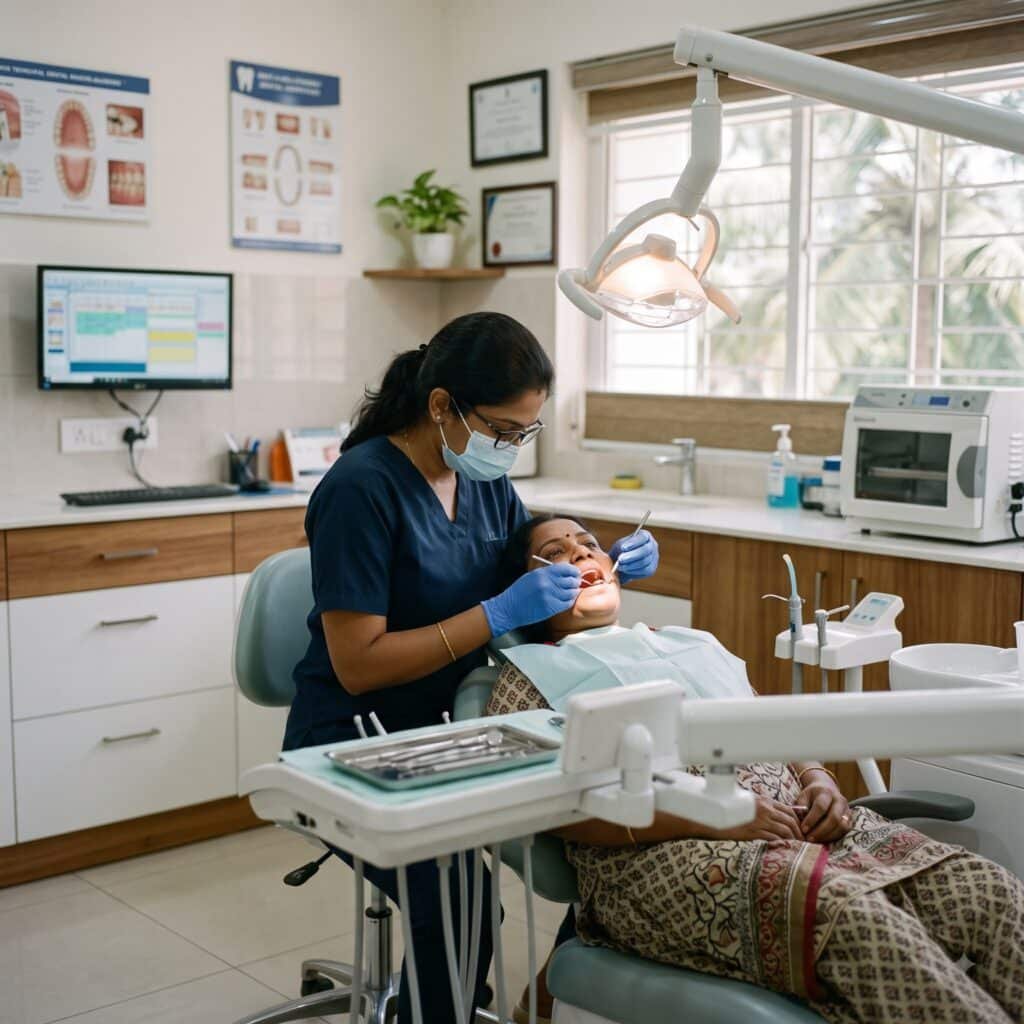
Bleeding gums are not something you should ignore. While occasional bleeding can happen because of aggressive brushing or improper flossing, frequent bleeding, redness, swelling, tenderness, or bad breath may indicate an underlying gum problem.
Gum disease, also known as periodontal disease, is one of the common oral health conditions that can affect adults. When detected early, it can often be managed with professional dental care, improved oral hygiene, and regular follow-ups.
If you are experiencing bleeding or swollen gums, consulting a dentist can help identify the cause and prevent the condition from becoming more serious. At a trusted dental clinic in Nagercoil, patients can receive professional evaluation and appropriate treatment based on the condition of their gums and teeth.
What Is Gum Disease?
Gum disease is an infection or inflammation affecting the tissues that support your teeth. It usually begins when plaque, a sticky layer of bacteria, accumulates around the teeth and gumline.
If plaque is not removed properly, it can harden into tartar. Tartar cannot usually be removed through normal brushing and may contribute to gum inflammation.
Early gum disease is commonly called gingivitis. If it progresses deeper into the supporting tissues and bone around the teeth, it can develop into periodontitis.
This is why early attention to gum problems is important.
What Are the Common Signs of Gum Disease?
Bleeding during brushing or flossing is one of the most noticeable warning signs. However, gum disease can cause several other symptoms.
Look out for:
- Bleeding gums while brushing or flossing
- Red or swollen gums
- Tender or sensitive gums
- Persistent bad breath
- Gum recession
- Increased sensitivity around the teeth
- Pus around the gums
- Loose or shifting teeth in advanced cases
- Changes in the way your teeth fit together when biting
If you regularly experience these symptoms, professional Periodontics Services Nagercoil can help determine whether gum disease is present and how advanced it may be.
Why Do Gums Bleed?
Several factors can contribute to bleeding gums. The most common cause is plaque accumulation around the gumline.
Other possible causes include:
Poor Oral Hygiene
Inadequate brushing and flossing can allow plaque and bacteria to accumulate around the teeth.
Tartar Build-Up
When plaque hardens into tartar, brushing alone may not be sufficient to remove it. Professional dental cleaning may be required.
Gum Infection
Inflamed gums may bleed easily when touched or brushed.
Improper Brushing Technique
Using excessive force while brushing can irritate the gums and cause bleeding.
Smoking and Tobacco Use
Tobacco can negatively affect gum health and may also make it harder to notice some warning signs.
Certain Medical Conditions or Medicines
Some health conditions and medications can contribute to gum bleeding. A dentist can help determine whether further medical evaluation is appropriate.
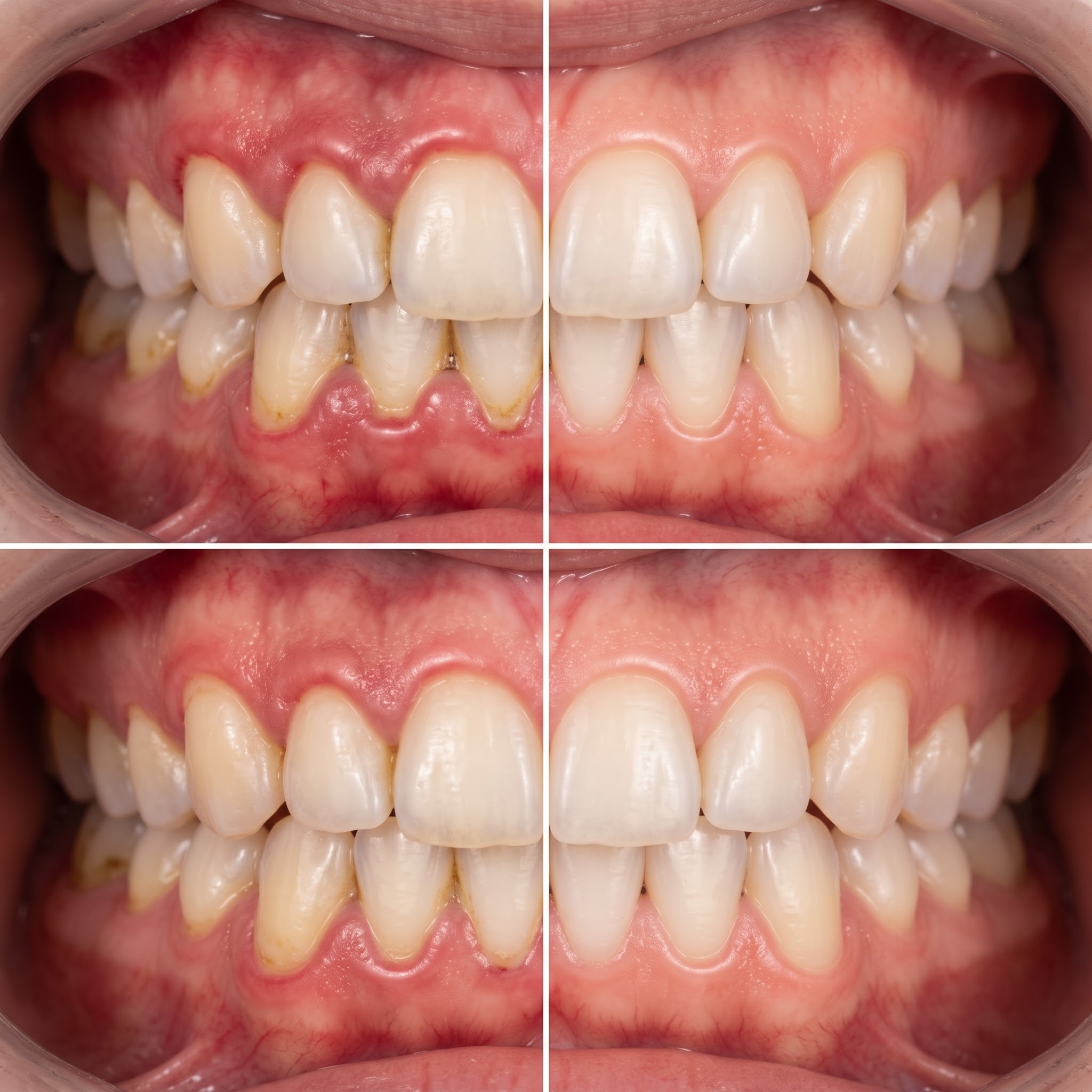
Gingivitis vs. Periodontitis: What’s the Difference?
Gingivitis is generally an early stage of gum disease. The gums may become red, swollen, or prone to bleeding, but the deeper supporting structures of the teeth may not yet be significantly damaged.
Periodontitis is more advanced. It can affect the tissues and bone supporting the teeth and may eventually contribute to loose teeth or tooth loss if left untreated.
The good news is that early detection can make gum problems easier to manage.
If you notice repeated bleeding, do not wait until you experience pain. Gum disease does not always cause significant pain in its early stages.
Periodontics Services in Nagercoil: What Treatment May Involve
The right treatment depends on the condition of your gums. A dentist or periodontist may recommend one or more approaches after examining your teeth and gums.
1. Professional Dental Cleaning
Professional cleaning can remove plaque and tartar that regular brushing cannot eliminate.
Depending on the condition, your dentist may recommend scaling and other periodontal cleaning procedures.
2. Deep Cleaning and Root Planing
For patients with deeper gum pockets or periodontal problems, scaling and root planing may be recommended.
This treatment focuses on cleaning bacteria and deposits from below the gumline and smoothing the tooth-root surfaces.
3. Improved Home Oral Care
Professional treatment works best when combined with consistent home care.
Your dentist may recommend:
- Brushing twice a day
- Cleaning between teeth with floss or interdental brushes
- Using an appropriate mouthwash when recommended
- Replacing your toothbrush regularly
- Maintaining regular dental check-ups
4. Bio Laser Dental Treatment
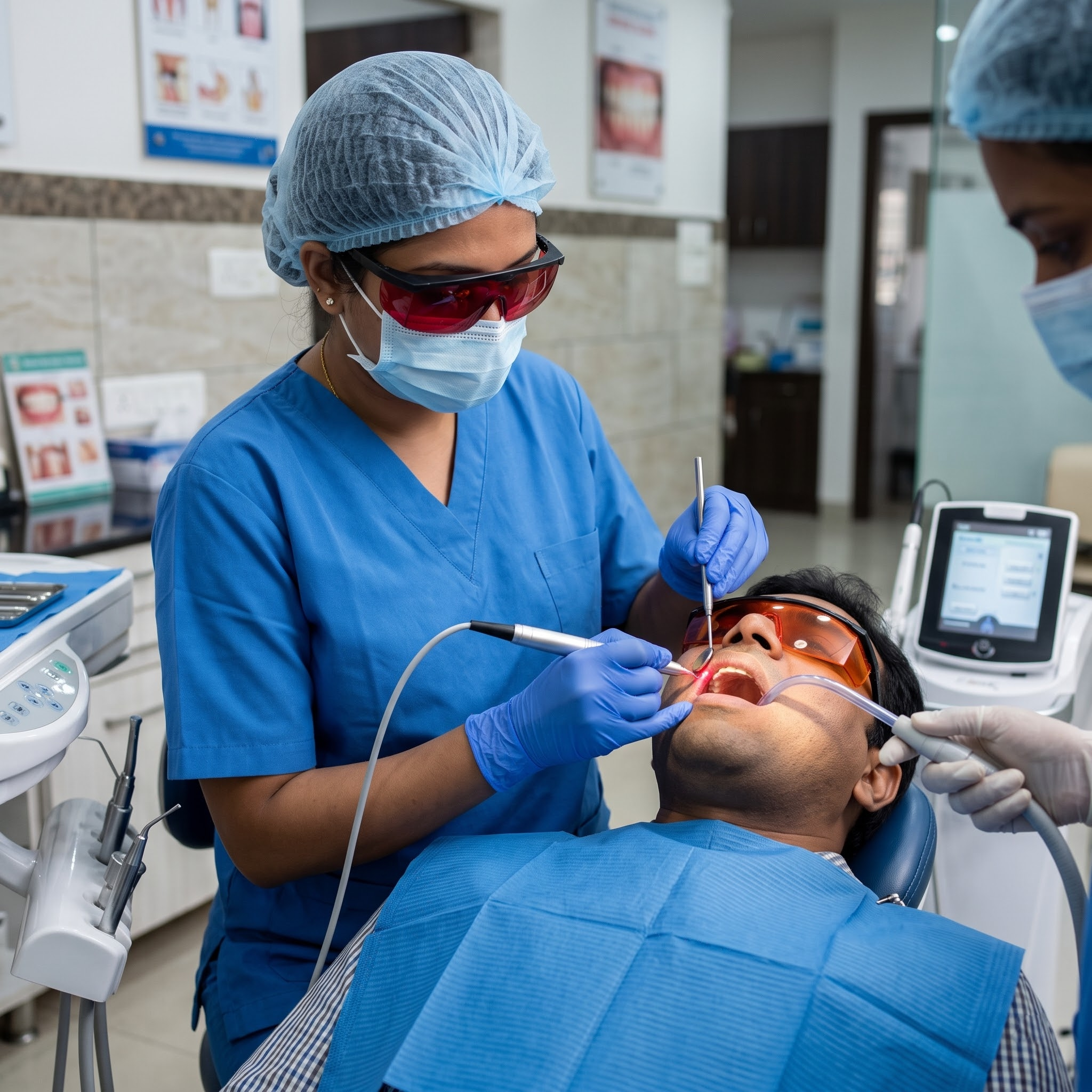
Modern dental technology has introduced additional treatment options for certain gum conditions. Bio laser dental treatment in Nagercoil may be considered in appropriate cases after a professional examination.
Laser-based procedures can be used for selected periodontal treatments and may offer benefits such as precise treatment of targeted areas and reduced discomfort in certain procedures.
However, laser treatment is not automatically required for every patient. Your dentist should determine whether it is suitable based on your gum condition.
5. Advanced Periodontal Treatment
More advanced gum disease may require specialized periodontal treatment. The treatment plan depends on factors such as gum pocket depth, bone support, infection, tooth stability, and overall oral health.
Can Bleeding Gums Be Prevented?
In many cases, good oral hygiene and regular professional dental care can reduce the risk of gum disease.
A simple daily routine includes:
- Brush your teeth twice a day using a soft-bristled toothbrush.
- Clean between your teeth every day.
- Avoid brushing with excessive pressure.
- Limit frequent sugary foods and drinks.
- Avoid tobacco products.
- Schedule regular dental examinations.
- Get professional cleaning when recommended.
If you already have gum bleeding, improving your home routine is helpful, but it should not replace a professional dental examination.
When Should You Visit a Dentist?
You should consider seeing a dentist if your gums bleed repeatedly, remain swollen, or become painful.
You should seek professional attention particularly if you notice:
- Frequent gum bleeding
- Persistent bad breath
- Receding gums
- Pus around the gums
- Loose teeth
- Increasing tooth sensitivity
- Pain while chewing
- Swelling around a tooth or gum
A general dental services Nagercoil provider can assess your overall oral health and determine whether you need routine care or specialized periodontal treatment.
Choosing a Dental Clinic in Nagercoil for Gum Care
When choosing a dental clinic for gum treatment, look beyond convenience. Consider whether the clinic provides proper diagnosis, modern dental technology, experienced dental professionals, preventive care, and personalized treatment planning.
Patients looking for the best dentist in Nagercoil should also consider the clinic’s approach to patient education and long-term oral health rather than focusing only on individual treatments.
The goal of periodontal care is not simply to stop bleeding temporarily. It is to identify the underlying problem, manage infection and inflammation, protect the supporting structures of your teeth, and help you maintain healthier gums.
Take Bleeding Gums Seriously
Bleeding gums may appear to be a minor problem, but repeated bleeding can be an early warning sign of gum disease. Early diagnosis and appropriate treatment can help protect your gums and the tissues supporting your teeth.
Whether you need professional cleaning, periodontal treatment, improved oral hygiene guidance, or a more advanced option such as bio laser dental treatment in Nagercoil, the first step is a proper dental examination.
If you are experiencing persistent gum bleeding or other signs of gum disease, schedule a consultation with a qualified dental professional in Nagercoil and get your gums evaluated.
Frequently Asked Questions About Gum Disease
1. Is bleeding while brushing a sign of gum disease?
Yes. Frequent bleeding while brushing or flossing can be an early sign of gum inflammation or gum disease. It is advisable to have your gums examined if the bleeding happens regularly.
2. Can bleeding gums be cured?
Early gum inflammation can often be improved with professional dental care and better oral hygiene. More advanced periodontal disease may require ongoing treatment and maintenance.
3. What are the early signs of gum disease?
Common early signs include bleeding gums, redness, swelling, tenderness, bad breath, and changes in gum sensitivity.
4. How is gum disease treated in Nagercoil?
Treatment depends on the severity of the condition. Options may include professional cleaning, scaling, root planing, oral hygiene guidance, periodontal treatment, and selected laser-based procedures.
5. Is bio laser dental treatment suitable for gum disease?
Bio laser treatment may be suitable for certain gum conditions, but it is not necessary for every patient. A dentist should examine your gums and recommend treatment according to your specific condition.
6. How often should I visit a dentist for gum care?
Routine dental examinations are generally recommended at regular intervals, but the ideal frequency depends on your oral health. Patients with gum disease may need more frequent periodontal maintenance.
7. Can gum disease cause bad breath?
Yes. Bacteria and infection associated with gum disease can contribute to persistent bad breath. Treating the underlying gum problem may help improve the condition.
8. Can gum disease lead to tooth loss?
Advanced untreated periodontal disease can damage the tissues and bone supporting the teeth. In severe cases, this may contribute to tooth mobility and tooth loss.
9. Can I treat bleeding gums at home?
Good brushing, daily interdental cleaning, and proper oral hygiene can help maintain healthier gums. However, persistent bleeding should be professionally evaluated because home care alone may not address tartar or advanced gum disease.
10. Where can I get Periodontics Services in Nagercoil?
A qualified dental clinic in Nagercoil can evaluate bleeding gums and recommend appropriate periodontal treatment based on your oral health. Ask about the clinic’s periodontal care, diagnostic process, and treatment options before beginning treatment.