Dental Hospital in Nagercoil: Complete Guide to Modern Dental Care and Treatments
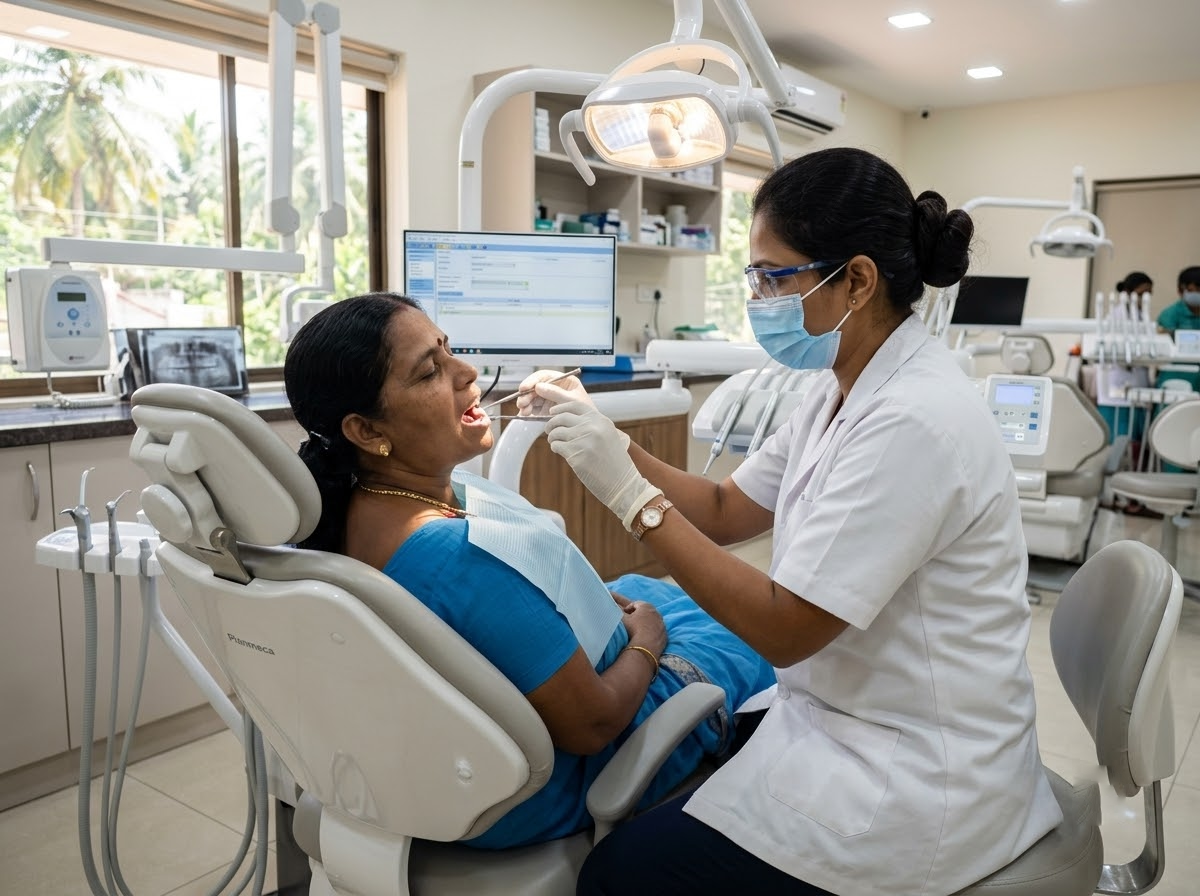
Finding the right Dental hospital in Nagercoil can make a significant difference when you need anything from routine oral care to advanced dental treatment. Modern dentistry is no longer limited to treating toothaches and cavities. Today, dental care can include digital diagnosis, preventive dentistry, orthodontics, dental implants, cosmetic procedures, pediatric care, oral surgery, and advanced restorative treatments.
For patients and families in Nagercoil and across Kanyakumari district, having access to comprehensive dental services under one roof can make diagnosis, treatment planning, and follow-up care more convenient. Whether you are experiencing tooth pain, considering braces, replacing missing teeth, or simply looking for regular preventive care, understanding the treatments and technology available can help you make better-informed decisions about your oral health.
What Is a Modern Dental Hospital?
A modern dental hospital is designed to provide a broad range of oral healthcare services while bringing together qualified dental professionals, diagnostic facilities, treatment technology, infection-control systems, and patient-support services.
Unlike a practice focused on only one type of treatment, a comprehensive dental facility may provide preventive, restorative, cosmetic, orthodontic, pediatric, implant, and surgical care.
The exact services available differ between facilities. Therefore, patients should always discuss their specific dental concerns with a qualified dentist before deciding on treatment.
Why Comprehensive Dental Care Is Important
Oral health problems can overlap. For example, a patient with missing teeth may also have gum problems or changes in the way the remaining teeth meet. Similarly, a child with tooth decay may require both restorative treatment and preventive guidance.
A comprehensive approach allows the dental team to evaluate the condition of the teeth, gums, supporting structures, bite, and overall oral health before developing an appropriate treatment plan.
Some important advantages include:
- More complete oral assessment
- Better coordination between different dental treatments
- Convenient access to multiple dental specialties
- Digital diagnostic support when clinically indicated
- Easier treatment follow-up
- Preventive care alongside restorative treatment
- Individualized treatment planning
The goal should not simply be to offer more procedures. Treatment should be based on the patient’s actual clinical needs.
Common Dental Treatments Available
A well-equipped Dental hospital in Nagercoil may provide several categories of dental care.
Preventive Dentistry
Preventive dentistry focuses on maintaining oral health before major problems develop. Regular examinations, professional cleaning, oral hygiene instructions, fluoride-based preventive measures when appropriate, and risk assessment can all form part of preventive care.
Regular dental visits may help identify early signs of tooth decay, gum disease, tooth wear, and other oral conditions.
Root Canal Treatment
Root canal treatment is commonly used when the pulp tissue inside a tooth becomes inflamed or infected.
During treatment, the diseased tissue is removed, the root canal system is cleaned and shaped, and the space is sealed. A suitable restoration may then be recommended to protect the tooth.
Root canal treatment can help preserve a natural tooth when the tooth is considered restorable.
Dental Implants
Missing teeth can affect chewing, speech, appearance, and the function of the remaining teeth.
Dental implants are artificial tooth roots that are surgically placed into the jawbone and can support replacement teeth in suitable patients.
Before implant treatment, the dentist needs to assess factors such as bone availability, gum health, oral hygiene, general health considerations, and the condition of the surrounding teeth.
Implants are not automatically suitable for every patient, so professional assessment is essential.
Braces and Orthodontic Treatment
Orthodontic treatment can help correct certain problems involving tooth alignment and bite.
Traditional braces use brackets and wires to apply controlled forces to the teeth. Depending on the patient’s condition, age, treatment objectives, and clinical assessment, different orthodontic approaches may be considered.
A dentist or orthodontist can determine whether orthodontic treatment is appropriate and explain the expected treatment duration and maintenance requirements.
Invisalign and Clear Aligners
Clear aligner treatment uses a series of removable transparent aligners to gradually move teeth in suitable orthodontic cases.
One advantage of clear aligners is that they can be removed for eating and oral hygiene. However, they require consistent patient cooperation and are not appropriate for every orthodontic problem.
A detailed examination and treatment planning process is necessary before deciding whether aligners are suitable.
Teeth Whitening
Professional teeth whitening may help reduce certain forms of tooth discoloration and improve the brightness of natural teeth.
The effectiveness of whitening depends on the cause of discoloration. Natural tooth structure, existing restorations, fillings, crowns, and some types of intrinsic discoloration may respond differently.
A dental examination before whitening can help determine whether the procedure is appropriate and whether any underlying oral health problems should be addressed first.
Pediatric Dentistry
Children require dental care that is appropriate for their age, development, communication abilities, and individual needs.
Pediatric dental services may include preventive examinations, fluoride guidance, management of early childhood caries, restorative treatment, monitoring of tooth eruption, and behavior-support approaches.
Introducing children to dental visits early can also help establish positive oral-health habits.
Oral Surgery
Some dental conditions require surgical treatment.
Depending on the patient’s condition, oral surgery may include selected tooth extractions, surgical removal of impacted teeth, and other procedures involving the teeth and surrounding oral structures.
The dentist should explain the reason for surgery, available options, expected recovery, and aftercare instructions before treatment.
How Digital Dentistry Supports Modern Treatment
Technology has become an important part of contemporary dentistry.
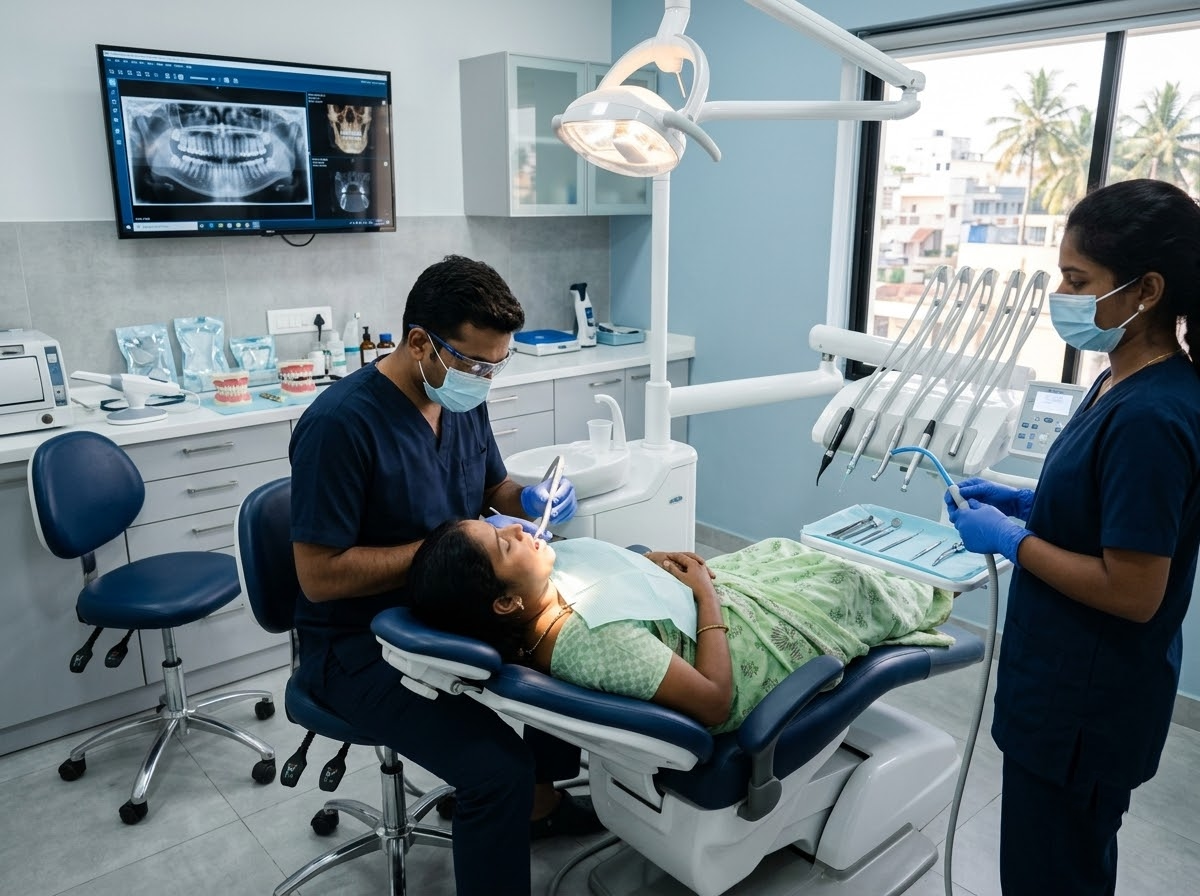
A Dental hospital in Nagercoil may use digital systems such as:
- Digital dental X-rays
- OPG imaging
- Intraoral scanners
- Digital impressions
- Computer-assisted treatment planning
- Digital patient records
- CAD/CAM-supported restorative workflows
- Laser-assisted dental procedures where indicated
Digital imaging can help dentists visualize oral structures and identify findings that may not be visible during a routine examination.
Intraoral scanners can create digital representations of the mouth and may be used for selected restorative and orthodontic workflows.
However, technology should support—not replace—professional clinical judgment. The most advanced equipment is useful only when it is appropriate for the patient’s condition and used correctly.
The Role of Accurate Dental Diagnosis
Treatment should begin with diagnosis rather than assumptions.
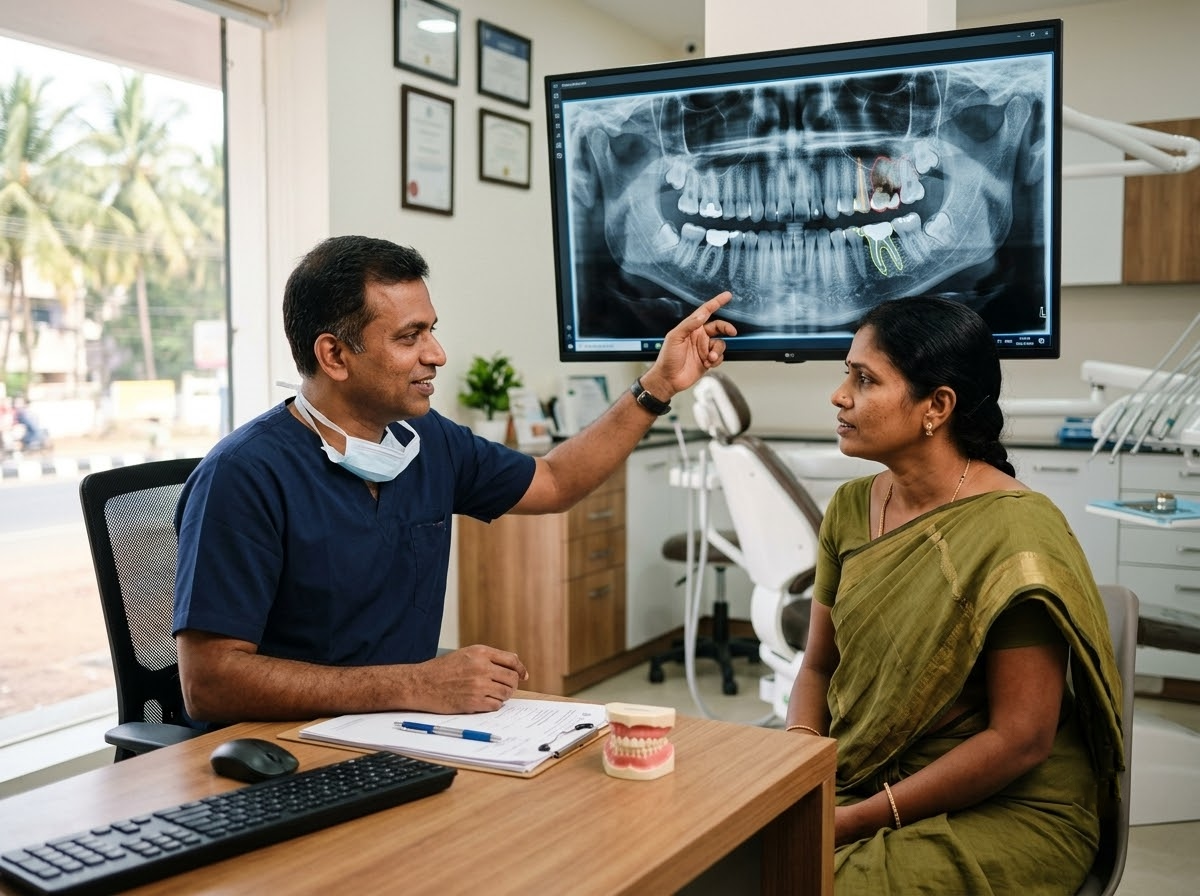
A dental evaluation may involve:
- Reviewing the patient’s dental and medical history
- Discussing symptoms and concerns
- Examining the teeth and gums
- Evaluating the bite and supporting structures
- Taking diagnostic images when indicated
- Identifying possible treatment options
- Discussing benefits, limitations, risks, and expected outcomes
Not every dental problem requires immediate treatment. Depending on the findings, a dentist may recommend preventive care, monitoring, restorative treatment, specialist assessment, or another appropriate approach.
Why Infection Control Matters
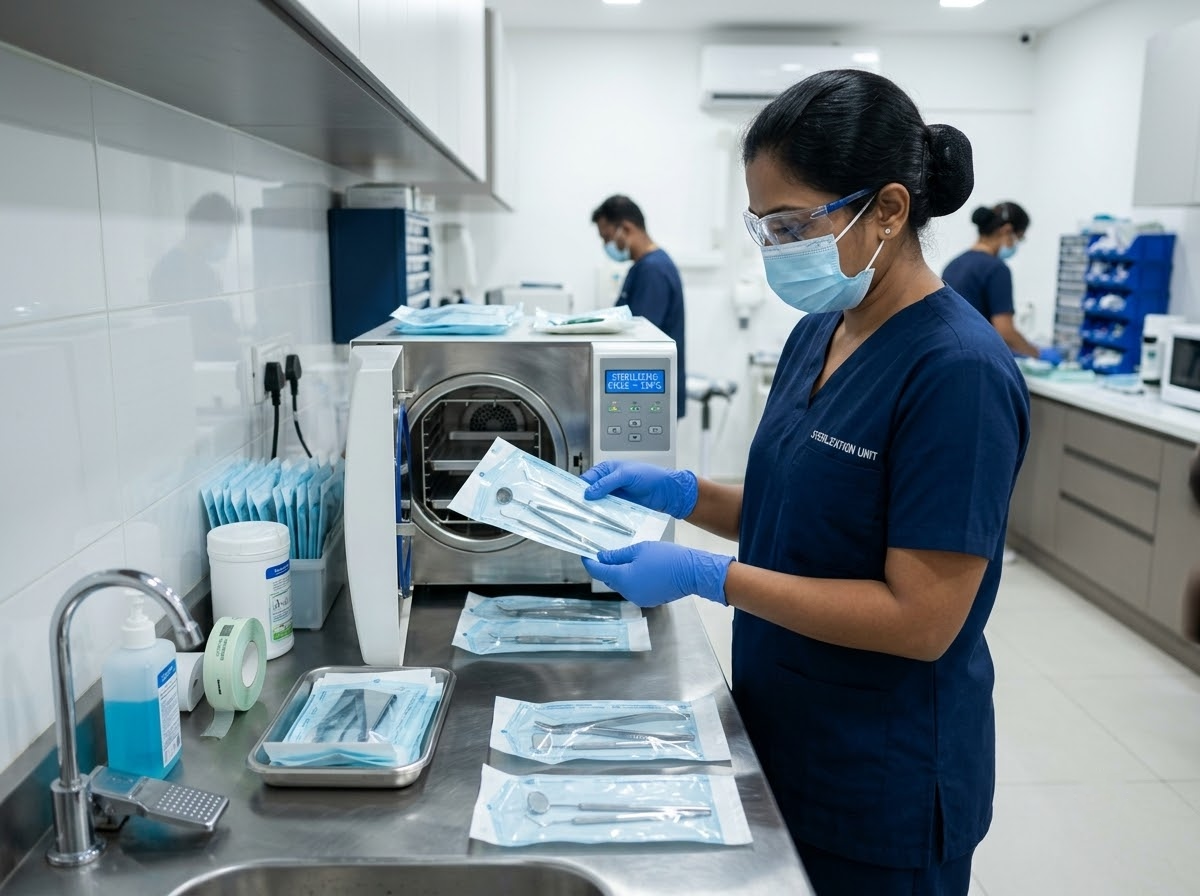
Dental treatment requires close contact with the oral cavity and involves reusable instruments and clinical surfaces.
Appropriate infection-control procedures help reduce the risk of cross-contamination.
Patients should expect dental facilities to maintain:
- Proper instrument cleaning and sterilization
- Appropriate use of disposable materials
- Hand hygiene
- Surface disinfection
- Organized clean and contaminated areas
- Suitable protective equipment
- Clean treatment environments
Good infection control is an essential part of safe dental practice.
Dental Care for the Whole Family
One of the benefits of choosing a comprehensive Dental hospital in Nagercoil is the ability to address different oral-health needs within a family.
Children may require preventive pediatric dental care, while teenagers may need orthodontic assessment. Adults may require restorative procedures, gum-care management, cosmetic treatment, or replacement of missing teeth.
Older adults may need care for tooth wear, gum problems, dentures, crowns, bridges, root decay, or missing teeth.
Although different age groups require different approaches, regular examinations remain an important part of maintaining oral health.
When Should You Visit a Dental Hospital?
You should consider scheduling a dental examination if you notice:
- Persistent tooth pain
- Sensitivity to hot or cold
- Bleeding gums
- Swelling around the gums
- Persistent bad breath
- Broken or chipped teeth
- Loose teeth
- Tooth discoloration
- Difficulty chewing
- Jaw discomfort
- Missing teeth
- Changes in your bite
You should not wait until dental pain becomes severe before seeking professional assessment.
Facial swelling accompanied by fever, difficulty swallowing, or difficulty breathing can represent a potentially serious condition and requires urgent professional attention.
How to Prepare for Your Dental Appointment
A little preparation can make a dental consultation more useful.
Before your appointment, consider noting:
- Your main dental concern
- When the symptoms started
- Any previous dental treatment
- Current medications
- Previous dental X-rays or reports if available
- Any questions about treatment
- Concerns about treatment duration or appointments
During the consultation, ask the dentist to explain the diagnosis and available treatment choices in language you understand.
Understanding your treatment plan can help you participate actively in decisions about your dental care.
Choosing the Right Dental Hospital in Nagercoil
When searching for a Dental hospital in Nagercoil, consider more than location or online ratings.
Look at the qualifications of the dental professionals, the range of services, diagnostic facilities, infection-control practices, treatment-planning process, communication, and follow-up support.
You may also consider whether the facility can provide the particular treatment you require or coordinate specialist care when necessary.
For patients travelling from other areas of Kanyakumari district, accessibility and appointment convenience can also be important, particularly when treatment involves multiple visits.
Modern Dentistry Should Be Patient-Centered
Modern dental care is not simply about having sophisticated equipment.
Good dentistry combines:
- Accurate diagnosis
- Appropriate treatment planning
- Clinical expertise
- Suitable technology
- Infection-control practices
- Clear communication
- Patient comfort
- Preventive care
- Long-term follow-up
A treatment plan should be created around the patient’s clinical condition rather than around the availability of a particular procedure.
Conclusion
Choosing a Dental hospital in Nagercoil is an important step toward maintaining long-term oral health. From preventive examinations and children’s dentistry to root canal treatment, orthodontics, dental implants, cosmetic procedures, and oral surgery, modern dental care can address a wide range of needs.
The most important consideration is not simply the number of treatments or technologies available. Effective dental care depends on accurate diagnosis, appropriate treatment planning, qualified professionals, safe clinical practices, clear communication, and individualized patient care.
If you are experiencing a dental concern or simply want to take a proactive approach to your oral health, scheduling a professional dental examination can be a useful first step.
Frequently Asked Questions
1. What services are available at a Dental hospital in Nagercoil?
Depending on the facility, services may include preventive dentistry, restorative treatment, root canal treatment, dental implants, braces, clear aligners, teeth whitening, pediatric dentistry, cosmetic dentistry, and oral surgery.
2. How often should I visit a dentist?
The appropriate frequency depends on your oral health, risk factors, previous dental history, and dentist’s recommendations. Regular examinations can help identify problems before they become more complicated.
3. Are dental implants suitable for everyone?
No. Implant suitability depends on factors such as oral health, gum condition, available bone, overall health considerations, and the condition of the proposed implant site. A dental evaluation is required.
4. Is root canal treatment painful?
Modern dental treatment uses local anesthesia to control pain during the procedure. Some tenderness may occur after treatment, but your dentist can provide appropriate aftercare guidance.
5. Are clear aligners suitable for every patient?
No. Clear aligners work well for many suitable orthodontic cases, but some complex tooth movements may require other orthodontic approaches.
6. Is teeth whitening safe?
Professional whitening can be appropriate for many patients when properly planned. A dental examination is useful before whitening because existing decay, gum problems, sensitivity, or certain types of discoloration may need attention first.
7. Why is digital dentistry useful?
Digital dentistry can support imaging, scanning, documentation, treatment planning, and selected restorative or orthodontic workflows. Its value depends on the patient’s individual treatment requirements.
8. Should children visit a dentist even if their teeth look healthy?
Yes. Preventive dental visits can help monitor tooth development, identify early problems, provide oral hygiene guidance, and establish healthy dental habits.
9. What should I do if I have severe dental pain?
Arrange a prompt dental assessment to identify the cause. If severe pain occurs together with facial swelling, fever, difficulty swallowing, or difficulty breathing, seek urgent professional attention.
10. How do I find a reliable Dental hospital in Nagercoil?
Consider professional qualifications, clinical expertise, diagnostic facilities, infection-control procedures, treatment options, communication, accessibility, and follow-up care. A consultation is important before making decisions about treatment.